America’s Next Federal Academy: Inside the Plan to Build a United States Space Academy
The White House has launched an effort to create a new federal institution for training America’s future space leaders. With 25 states submitting responses, an ambitious schedule and major questions about funding and governance, the proposed academy is entering a consequential phase.

The United States is preparing to establish something it has not attempted in more than seven decades: a new federal academy designed to educate and develop the next generation of leaders in a rapidly expanding frontier of national importance. This time, that frontier is space.
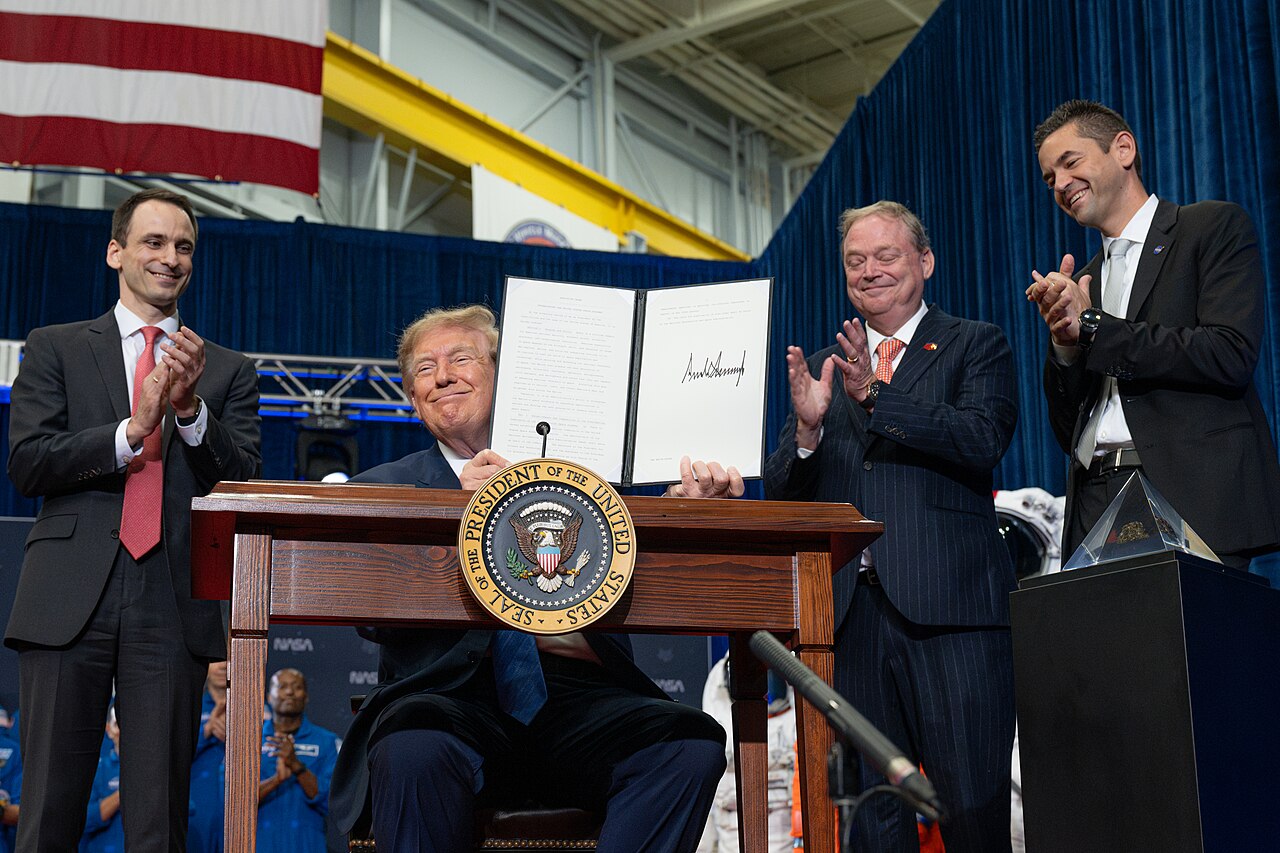
On August 28, 2026, President Donald Trump signed Executive Order 14423, launching the planning process for the United States Space Academy (USSA), a proposed NASA-led institution intended to combine advanced technical education, leadership development and a commitment to public service.
Less than three months later, the initiative has become a nationwide competition. Twenty-five states submitted responses to NASA’s request for information about possible campus sites, infrastructure and partnerships. A presidential commission is now developing recommendations covering not only location, but governance, academic programs, graduate obligations and the legal steps needed to establish the school.
The administration’s proposed schedule is aggressive: break ground in 2027, welcome approximately 300 students in 2028 and establish a permanent campus by 2031. But the academy remains a proposal in development. Its funding, institutional structure, degree programs and final location have not been settled.
A new academy for a new space age
The proposal reflects a profound shift in American space activity. What was once dominated by government missions and a small group of aerospace contractors now includes commercial launch operators, satellite manufacturers, universities, telecommunications firms and an expanding national-security workforce.
Space infrastructure supports navigation, communications, weather forecasting, scientific research and military operations. The creation of the U.S. Space Force in December 2019 recognized space as a distinct military operational domain, but did not establish a separate four-year federal academy. The Space Force instead draws officers from existing commissioning paths, including the Air Force Academy and Reserve Officer Training Corps.
The proposed Space Academy would have a broader remit. Unlike a traditional military service academy, it is envisioned as a NASA-led civilian federal institution that could prepare graduates for NASA, the armed forces, other federal agencies and the space industry. Its exact relationship with those employers is still to be defined.
The precedent: America’s service academies
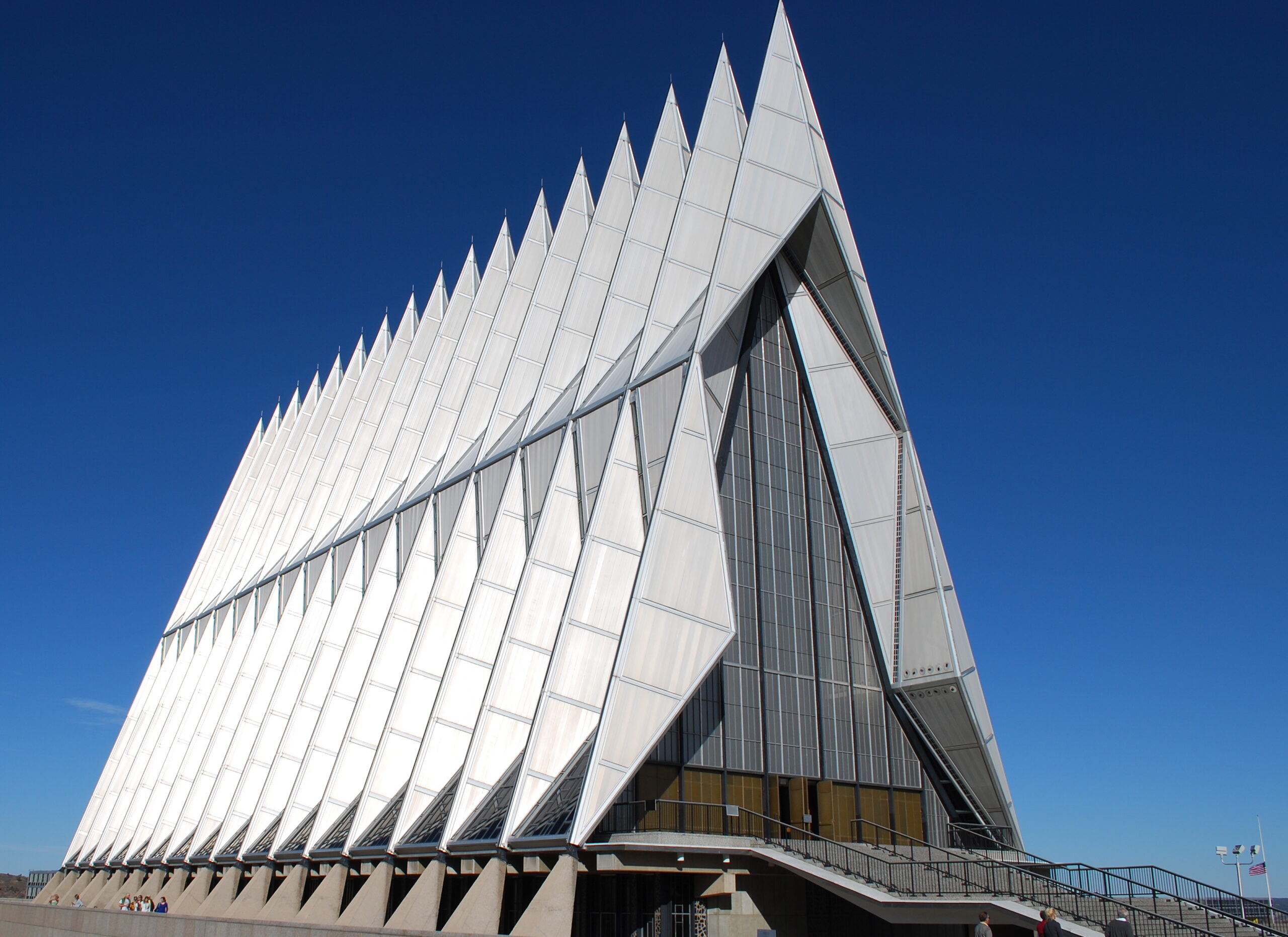

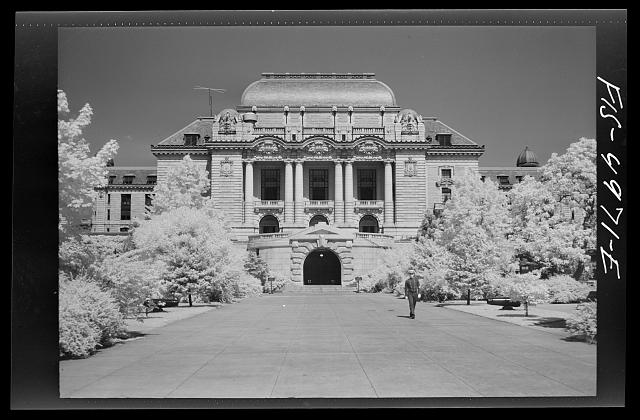
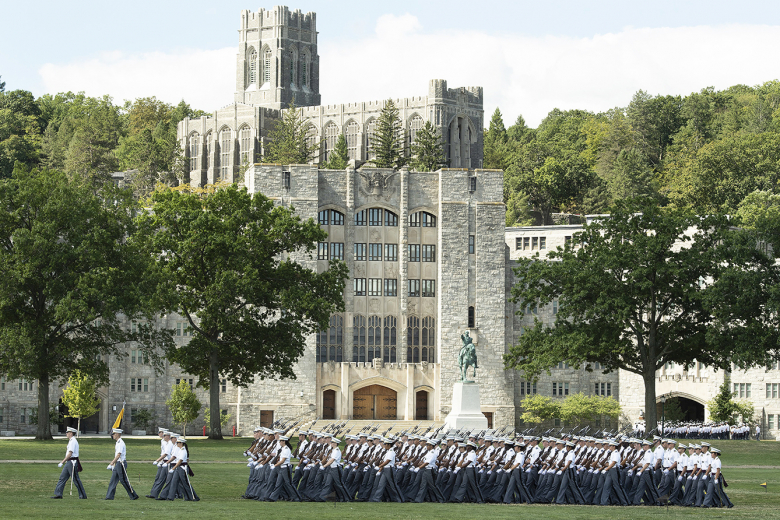
The country currently has five federal service academies: the Military Academy at West Point, Naval Academy at Annapolis, Coast Guard Academy in New London, Merchant Marine Academy at Kings Point and Air Force Academy in Colorado Springs. Each grew from particular national requirements for technical expertise, leadership and public service.
The Air Force Academy is a useful historical comparison. The Air Force became an independent service in 1947, but President Dwight D. Eisenhower did not sign legislation authorizing its academy until April 1, 1954. Establishing a new institution required years of debate over governance, education, funding and location.
There is also a fundamental difference. The Air Force Academy primarily commissions officers; the proposed Space Academy is being designed to serve a wider civilian and military space workforce. Whether that broader mission justifies a distinct institution will be an important question as policymakers examine its cost and responsibilities.
August 28: A presidential initiative begins
The modern effort began at NASA’s Johnson Space Center in Houston, where President Trump signed the executive order creating the Presidential Commission on the United States Space Academy. NASA Administrator Jared Isaacman was named chair and NASA Deputy Administrator Matt Anderson executive director. Senior officials responsible for science policy, economic policy, defense and national security also participate.
Crucially, the order did not instantly create a functioning university. It directed the commission to prepare recommendations on the academy’s governing framework, location, curriculum, admissions, service obligations, funding and potential legislative needs.
The commission was given 120 days to report to the president, placing its deadline on December 26, 2026. Implementation would follow any presidential approval and necessary legal or congressional actions, subject to available appropriations.
September: NASA starts looking for a home
The commission convened its first meeting on September 9 at NASA Headquarters in Washington, D.C. The next day, NASA issued its Request for Information, NASA-USSA-RFI, through the Office of Strategic Infrastructure. States were invited to submit information about prospective sites, interim educational facilities, local partnerships, costs and campus readiness.
Each governor could designate one official state-sponsored response. The solicitation sought practical information, not merely letters of support: land, transportation and utilities, university relationships, environmental constraints and possible state or private-sector contributions.
An RFI is not an RFP or a construction award. It is an early-stage process used to understand available options before final specifications and procurements are established. NASA indicated that a separate formal solicitation might follow. The responding states are therefore prospective hosts, not awarded contractors.
An unusually ambitious schedule
NASA’s planning framework calls for groundbreaking in 2027 and an inaugural class of roughly 300 students in fall 2028. Temporary teaching and housing arrangements with existing universities may be needed while permanent facilities are built.
A permanent campus is targeted for 2031, with initial capacity for at least 1,200 undergraduates and a possible longer-term expansion to approximately 4,000. The agency’s preliminary site criteria include at least 300 acres of developable land, potentially arranged across coordinated parcels.
Constructing an institution, however, is not the same as constructing its buildings. The project also needs faculty, academic programs, accreditation, student services, security arrangements and mechanisms for placing graduates into public service. Those requirements will have to advance alongside land acquisition, environmental review and construction.
Twenty-five states enter the conversation
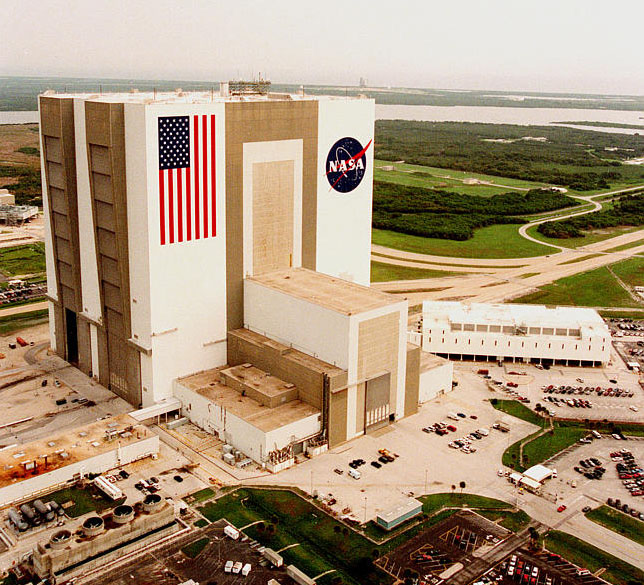

The original state-response deadline was October 26. NASA subsequently extended it to November 16 and clarified elements of the site and submission requirements. After responses closed, the agency confirmed that 25 states had participated.
Some states have publicly promoted specific locations and large potential investments; others have shared less detail. NASA had not released the complete set of submissions as of November 23. Without the underlying documents, claims about which proposal is most feasible or economical would be premature.
Potential host regions see the prospect of a federal academy as more than a campus-development opportunity. The institution could anchor research partnerships, attract aerospace companies, provide skilled jobs and create years of associated infrastructure and housing activity. But the final selection mechanism and any binding commitments remain to be established.
What workforce will the academy serve?
Advocates of the academy point to the growing technical demands of civil, commercial and military space operations. A Congressional Research Service analysis of the proposal examined the staffing and educational needs of both NASA and the Space Force, alongside the established pipelines that already produce engineers, scientists and officers.
The existence of demand, however, does not resolve the design question. Policymakers will need to establish what new capabilities a standalone federal academy can provide beyond existing universities, scholarships, federal hiring programs and military commissioning paths.
The commission also must decide whether the academy primarily produces astronauts and engineers, mission operators and policy leaders, military officers, or some combination of these. That choice will shape faculty recruitment, training facilities, degree offerings and the long-term size of the student body.
Who will attend, and what will graduates owe?
Traditional service academies generally pair publicly funded education with defined service obligations. The proposed Space Academy could work differently. The executive order specifically asks the commission to consider military and civilian service commitments, applicant eligibility, citizenship, clearance requirements and prospective career pathways.
Students might eventually work for NASA, enter the Space Force, serve in other federal agencies or join the commercial sector, but no universal graduate pathway has been adopted. Those decisions will influence not just admissions and curriculum, but the public benefit used to justify the academy’s costs.
The unanswered question of funding
The executive order did not establish a final project budget. NASA asked states to supply preliminary cost estimates and describe contributions that local governments, universities and other partners might make toward facilities and operations.
Capital expenditures would be only the beginning. A federal academy would require continuing support for faculty, laboratories, student housing, technology, campus maintenance, security and administration. The government will need to identify whether those expenses come from existing federal budgets, new appropriations or some combination of public partners.
Congress may play a decisive role. The executive order expressly calls for identifying necessary legislation and makes implementation subject to law and available appropriations. A presidential initiative is therefore not the same thing as an enacted, fully financed institution.
December and the decisions ahead
The commission’s December 26 report is the next major scheduled decision point. It is expected to recommend the academy’s structure, programs, admissions, service arrangements, location strategy and required legal steps. NASA’s review of the state submissions will inform that work.
Then come questions for the president, Congress, NASA and the eventual host partners: which recommendations to accept, which authorities to enact, how to finance the project and how to reconcile the proposed 2027 groundbreaking with the requirements of a new accredited academic institution.
For now, the Space Academy exists as a presidential initiative, an active federal planning effort and a nationwide competition for its potential home. Its classrooms have not been built; its students have not been chosen; and its relationship with the civilian and military space communities is still being defined.
The larger question remains: as space becomes essential to science, commerce and national security, what kind of educational institution should the United States build to prepare the people who will lead its next era?
The United States Space Academy at a glance
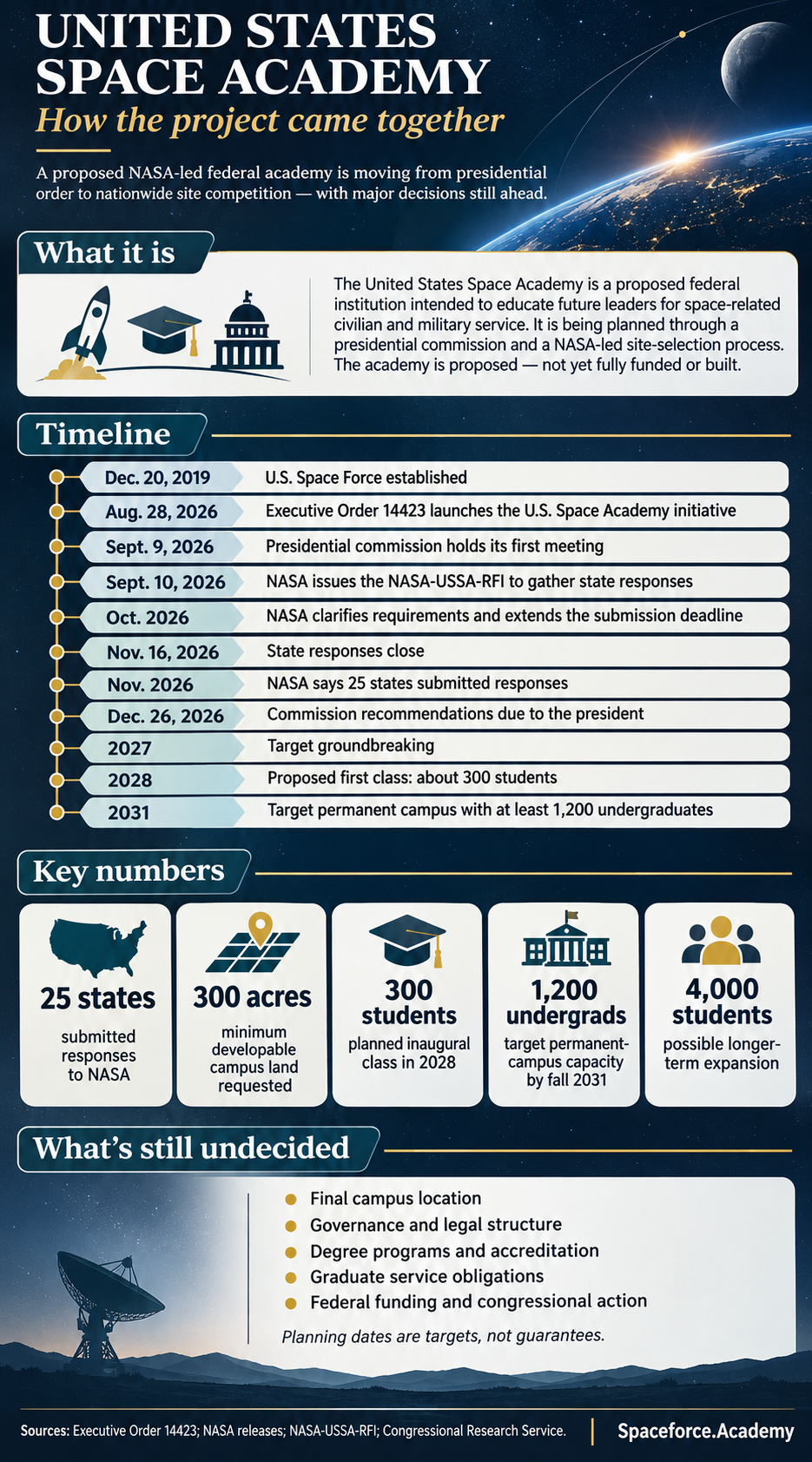
Project timeline
- December 20, 2019 — U.S. Space Force established.
- August 28, 2026 — Executive Order 14423 establishes the academy commission.
- September 9, 2026 — Commission holds its first meeting.
- September 10, 2026 — NASA issues NASA-USSA-RFI for state responses.
- October 2026 — NASA clarifies requirements and extends the submission deadline.
- November 16, 2026 — State responses close; NASA reports 25 respondents.
- December 26, 2026 — Commission recommendations due to the president.
- 2027 — Target groundbreaking (proposed).
- Fall 2028 — Target first class of approximately 300 (proposed).
- 2031 — Target permanent campus serving at least 1,200 undergraduates (proposed).
Primary sources
- Executive Order 14423 — Federal Register
- NASA — President Signs Executive Order to Create U.S. Space Academy
- NASA — Answers President’s Call to Establish U.S. Space Academy
- NASA-USSA-RFI — Official SAM.gov solicitation
- Congressional Research Service — U.S. Space Academy Proposal: Considerations for Congress
- NASA photograph — Original image and public-domain information
Editor’s note: This article reflects publicly available records through November 23, 2026. Future enrollment and construction dates are government planning targets, not guaranteed outcomes. This article contains no independent interviews.